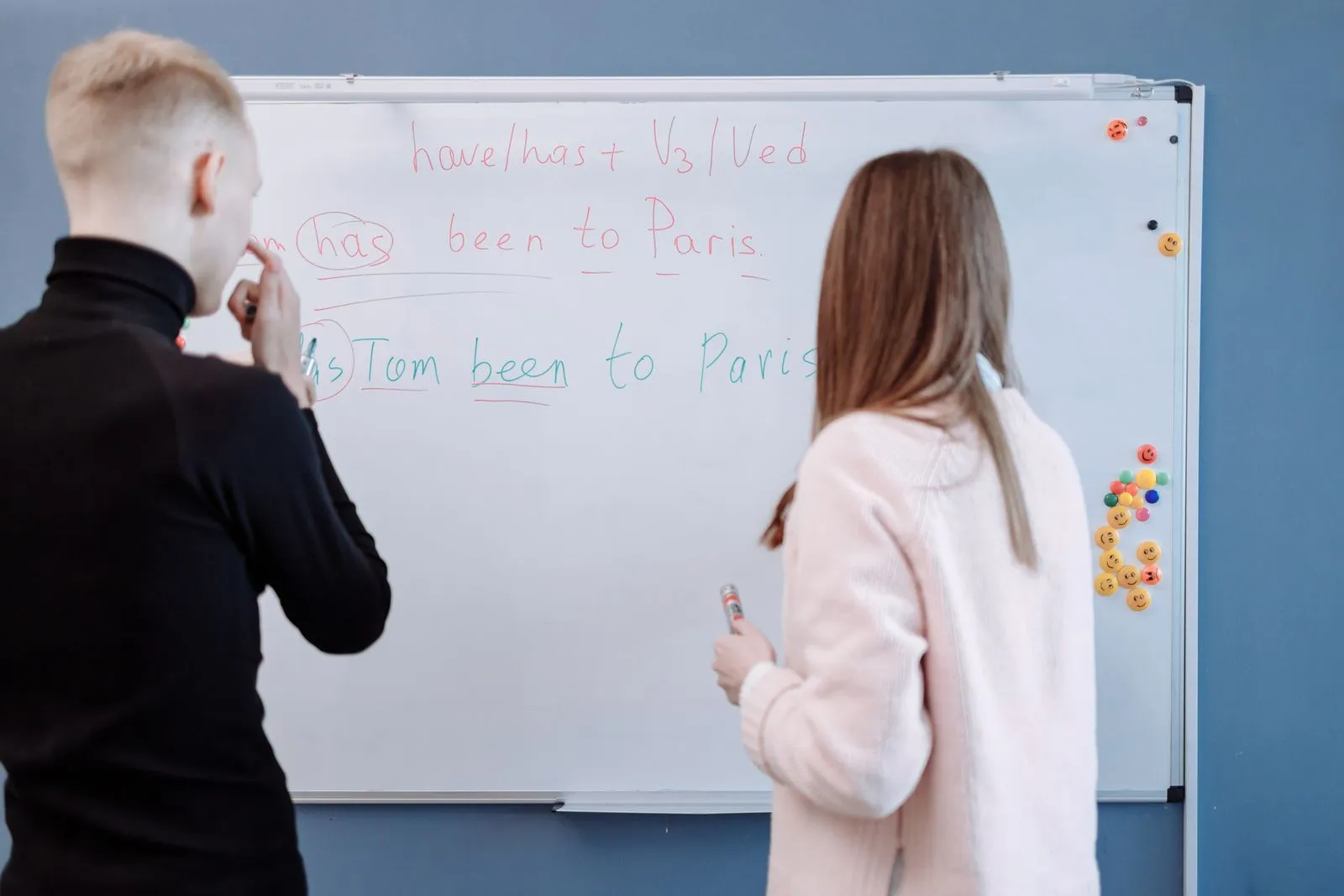
Your first language class is a chance to show what you already know, find the right starting level, and discover how lessons work. You do not need to arrive fluent or have every detail figured out. A little preparation can help you feel more at ease and make the class useful from the start. Here’s what to expect from the placement conversation, typical activities, and the goals that can keep your progress steady.
Prepare for the Placement Conversation
A teacher may ask why you want to learn the language, what situations you hope to handle, and how much you have studied. They may also invite you to answer simple questions or read a short passage. Treat this as a conversation, not a test you need to pass. Honest answers help the teacher understand what you can do and where you would benefit from support.
Before class, think of a few examples: languages you have studied, phrases you already use, and tasks you want to manage, such as ordering food or speaking with coworkers. If you are unsure of an answer, say so and try your best. Bring any relevant notes or course materials, but do not spend hours cramming; a placement should reflect your current ability.
Expect to Participate
First lessons often mix listening, speaking, reading, and writing. You might introduce yourself, practice useful phrases with a partner, respond to a short audio clip, or review basic grammar in context. Activities help the teacher see how you communicate, not just what rules you remember. You may make mistakes while speaking, and that is a normal part of learning.
Follow instructions, ask for clarification when you need it, and take note of expressions you want to remember. If a task feels too easy or difficult, mention that to the teacher. A brief comment can help them adjust the pace or explain a point in another way. You do not need to understand every word to take part and learn something useful.
Set Goals You Can Track
Choose goals tied to real situations rather than broad promises like “be fluent.” For example, you might aim to introduce yourself, ask for directions, or hold a short conversation about your work. Tell your teacher what matters most, then break that aim into smaller steps. Specific goals make it easier to notice progress and choose practice that fits your daily life.
Set a routine you can maintain. Short, regular practice—reviewing class notes, listening to a short recording, or saying new phrases aloud—can reinforce what you learn in lessons. Ask how you will check progress and when to revisit your goals. Your pace will depend on your starting point, available practice time, and the skills you want to build, so allow room to adjust.
Your first class is a starting point, not a measure of how quickly you will become fluent. Share your experience and priorities, take part even when you feel unsure, and choose a manageable next step. With a clear starting level and practical goals, you can make each lesson count. Contact Miami Language House to ask about getting started.